East Godavari

logo east godavari photoroom
Generic selectors
Exact matches only
Search in title
Search in content
Post Type Selectors
logo east godavari photoroom
Generic selectors
Exact matches only
Search in title
Search in content
Post Type Selectors

Agriculture News

egan7

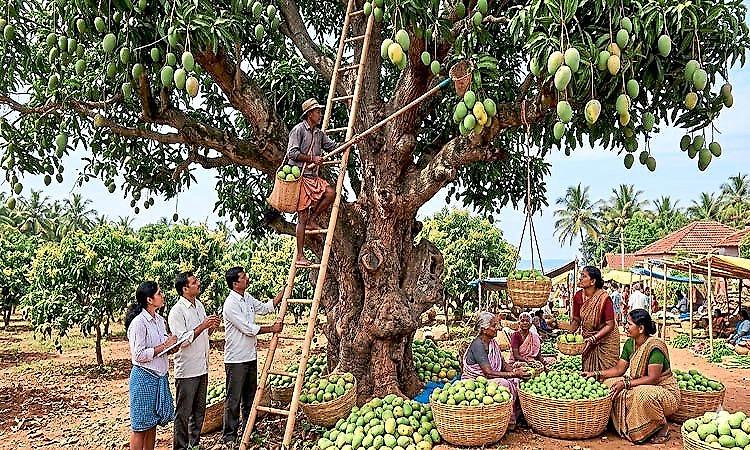
Mango Farmers Face Pest Challenges and Climate Variability

Mango growers in parts of East Godavari and surrounding regions are facing increasing concerns due to changing climatic conditions and pest infestations. Unseasonal temperature fluctuations and irregular rainfall patterns have affected flowering and fruit development, while pest attacks have increased production costs. Farmers have been compelled to spend more on pesticides and crop management practices to protect their orchards. Agricultural scientists are advising growers to adopt integrated pest management techniques and climate-resilient horticultural practices. Despite these challenges, demand for premium varieties such as Banginapalli and Suvarnarekha remains strong, providing optimism for better market returns during the harvest season.

Mango Farmers Face Pest Challenges and Climate Variability Read More »

egan6

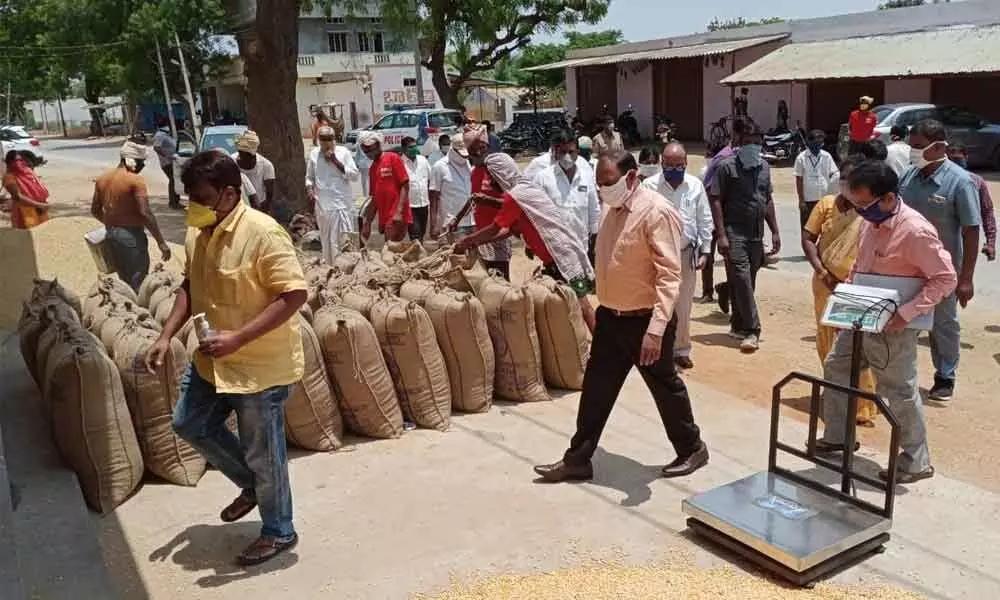
Paddy Procurement Preparations Gain Momentum Across East Godavari

With the commencement of the new agricultural season, authorities and cooperative agencies in East Godavari have intensified preparations for paddy procurement operations. Farmers in major agricultural mandals are expecting smooth procurement facilities, timely payments, and adequate storage arrangements to avoid post-harvest losses. Officials are working closely with rice millers and farmer organizations to ensure seamless movement of paddy from villages to procurement centers. Special emphasis is being placed on moisture standards, digital registration, and transparent weighing procedures. The district, which contributes significantly to Andhra Pradesh’s rice production, is expected to witness heavy arrivals during the harvesting season. Improved procurement mechanisms are expected to provide better price realization and financial security to thousands of farming families.

Paddy Procurement Preparations Gain Momentum Across East Godavari Read More »

egan4

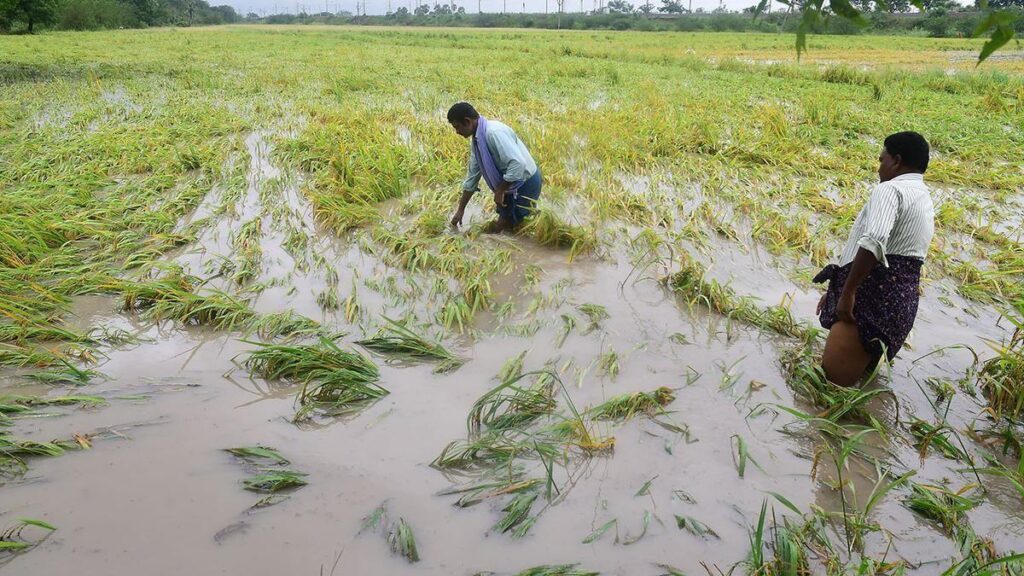
Weather & Climate Concerns Affecting Crops

Agriculture in East Godavari is highly dependent on climatic conditions due to its location in the Godavari delta region, where farming is closely tied to monsoon rainfall, canal irrigation, and seasonal weather stability. In recent years, however, farmers have been increasingly affected by unpredictable weather patterns and climate variability, which are creating serious challenges for crop planning and productivity. 🌧️ Unseasonal Rainfall and Flood Risks One of the major concerns is unseasonal and heavy rainfall events, which often arrive outside the normal monsoon cycle. When excessive rain occurs during sowing or early growth stages of paddy, it leads to: In extreme cases, sudden cloudbursts or cyclone-associated rains can flood agricultural fields, especially in coastal mandals, causing partial or complete crop loss. 🌪️ Cyclones and Coastal Weather Disturbances The coastal geography of East Godavari makes it vulnerable to cyclones and low-pressure systems forming in the Bay of Bengal. These weather systems bring: Even short-duration cyclonic activity can significantly affect farmer income, particularly in horticulture and aquaculture-dependent areas.

Weather & Climate Concerns Affecting Crops Read More »

egan3

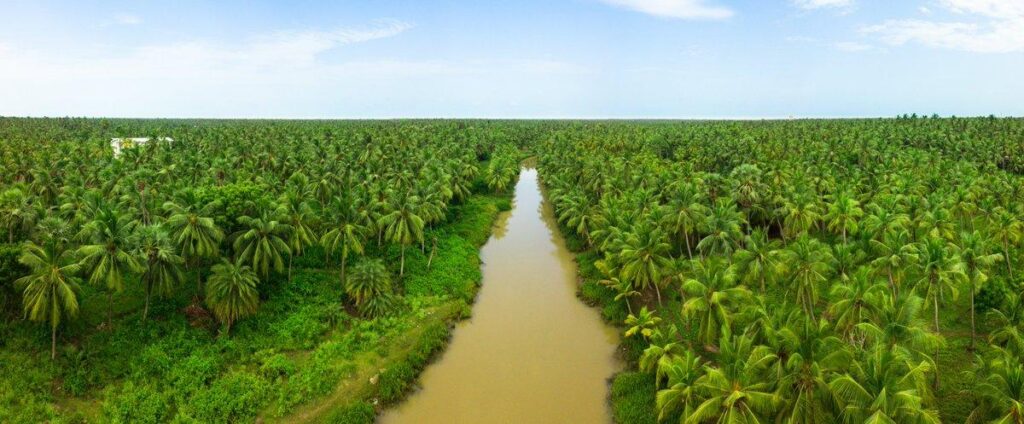
Coconut & Horticulture Growth in East Godavari

he horticulture sector in East Godavari is experiencing steady and diversified growth, driven by fertile delta soils, reliable irrigation from the Godavari canal system, and increasing farmer interest in high-value crops. Among all horticultural crops, coconut cultivation remains the backbone of the region’s rural economy, supported by banana, cocoa, papaya, and spice crops. 🌴 Coconut Farming Strength in the Delta Region Coconut plantations spread across coastal and delta mandals are one of the most stable agricultural assets in the district. The region’s humid tropical climate, combined with abundant groundwater and canal irrigation, provides ideal conditions for coconut trees to thrive. Farmers depend on coconuts for multiple income streams such as tender coconut sales, copra production, coconut oil extraction, and coir-based industries. In many villages, coconut farming is not just an agricultural activity but a long-term livelihood system, as trees continue to yield for decades with proper maintenance. Farmers are also increasingly adopting drip irrigation systems, which help conserve water while improving yield consistency. 🍌 Expansion of Banana and Fruit Orchards Alongside coconut, banana cultivation has expanded rapidly, especially in irrigated lands near canal belts. Farmers are shifting toward banana due to its shorter crop cycle and higher market demand. Improved tissue culture varieties and better fertilizer management practices have contributed to higher productivity. Other horticultural crops such as papaya, mango, and guava are also gaining traction, especially among farmers looking to diversify away from traditional paddy cultivation. This diversification helps reduce risk from market fluctuations and weather uncertainty. 🌿 Cocoa and Intercropping Systems A notable trend in East Godavari is the rise of cocoa cultivation as an intercrop within coconut plantations. Cocoa provides additional income without disturbing coconut production, making it a profitable integrated farming model. Agricultural experts are promoting this system as a sustainable way to increase farm income per acre.

Coconut & Horticulture Growth in East Godavari Read More »

egan2

Aquaculture Stress & Feed Cost Concerns in Coastal Godavari

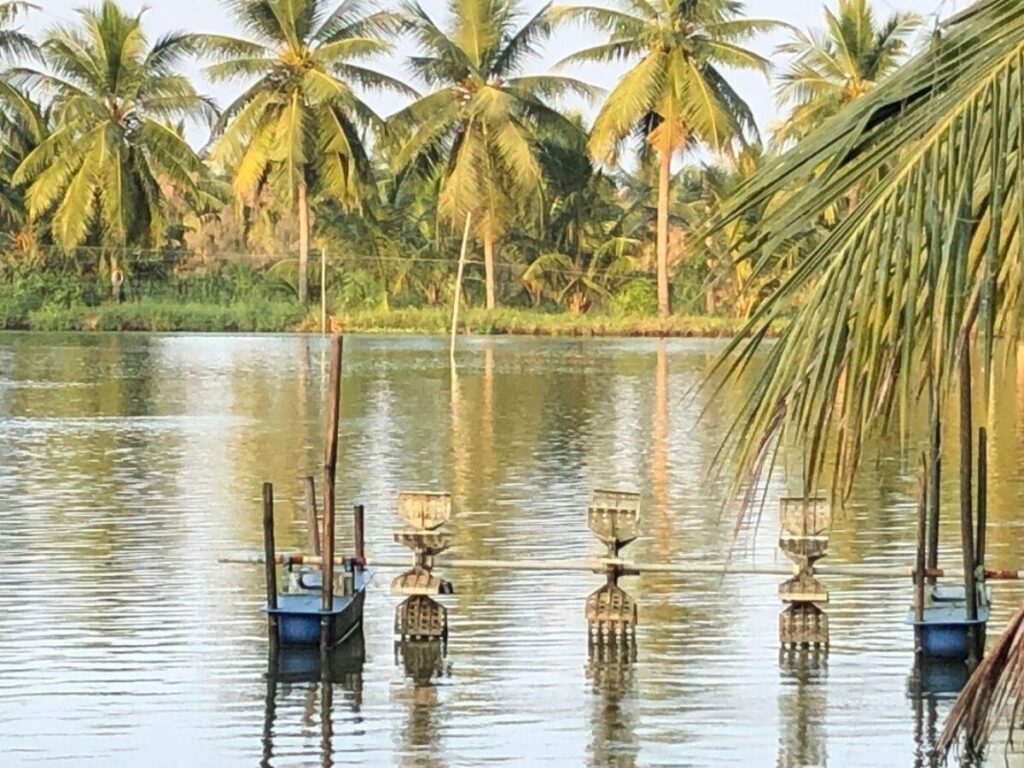
The coastal belt of the Godavari region, especially areas in East Godavari such as Kakinada rural, Uppada, Amalapuram, and nearby Konaseema mandals, is currently experiencing growing pressure in its aquaculture sector, primarily driven by rising operational costs and market uncertainties. Aquaculture, particularly shrimp farming (Vannamei variety), remains one of the most profitable rural livelihoods in the region, but recent trends have created financial stress for farmers. One of the biggest concerns is the continuous increase in fish and shrimp feed prices, which account for the largest share of production costs. Feed ingredients such as soybean meal, fishmeal, and oil-based supplements have become more expensive due to global supply fluctuations and import dependency. As a result, farmers are forced to invest significantly more in daily pond maintenance, directly impacting profit margins. In addition to feed costs, farmers are also struggling with rising electricity and diesel expenses used for operating aerators, water pumps, and oxygen supply systems in shrimp ponds. These systems are essential for maintaining water quality and ensuring healthy shrimp growth, but they heavily increase production costs, especially for small and medium-scale farmers. Another challenge is the unstable export market pricing, which directly affects income from harvested shrimp. Since a large portion of Godavari aquaculture production is export-oriented, even small changes in international demand or currency fluctuations can impact local farm-gate prices. This creates uncertainty for farmers planning their crop cycles and investments. Disease management is also a persistent issue in aquaculture ponds. Sudden outbreaks caused by bacterial or viral infections can lead to significant losses if not controlled quickly. Farmers are increasingly relying on improved biosecurity measures, but the risk remains a constant concern in intensive farming systems. Despite these challenges, the aquaculture sector continues to be a backbone of the coastal economy in East Godavari. Thousands of families depend on shrimp farming, hatcheries, feed supply chains, transport services, and processing units for their livelihood. The industry also contributes significantly to foreign exchange earnings through seafood exports.

Aquaculture Stress & Feed Cost Concerns in Coastal Godavari Read More »

egan1

Natural Farming Expansion under APCNF Program

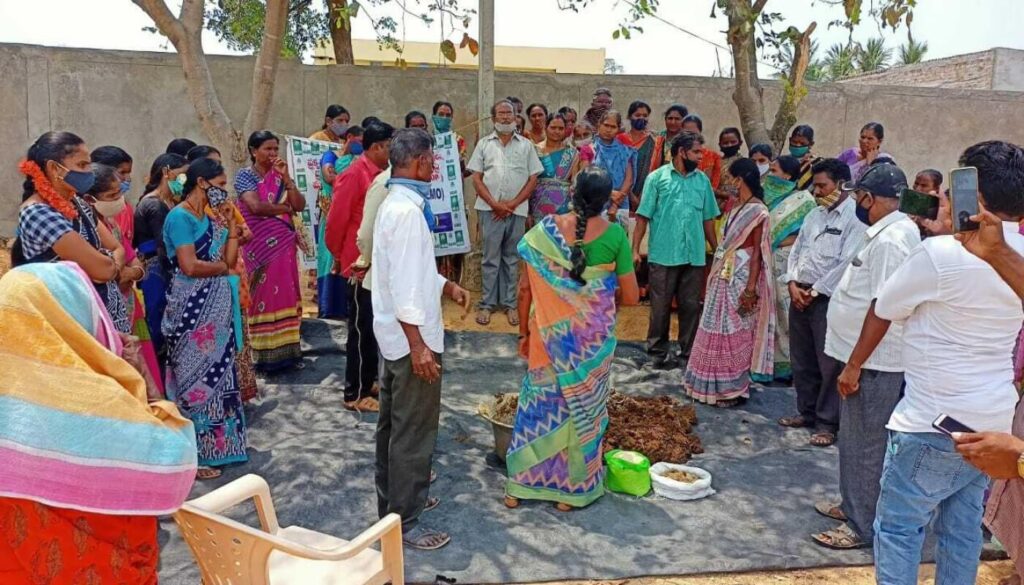
The Andhra Pradesh Community Managed Natural Farming (APCNF) program is witnessing rapid expansion across the East Godavari district, transforming the way agriculture is practiced in one of the state’s most fertile regions. The initiative, supported by the state government and implemented through community-based farmer groups, focuses on shifting cultivation from chemical-intensive methods to low-cost, eco-friendly natural farming practices. At the core of APCNF is the principle of reducing dependency on synthetic fertilizers and pesticides while improving soil health and long-term productivity. Farmers are trained to adopt natural inputs such as Jeevamrutham, Ghana Jeevamrutham, Beejamrutham, and botanical extracts, which are prepared locally using cow dung, cow urine, pulse flour, and other organic materials. These inputs not only reduce cultivation costs but also enhance microbial activity in the soil, leading to improved crop resilience. In East Godavari mandals such as Kadiyam, Amalapuram, Rajahmundry rural, and Peddapuram, thousands of farmers are actively participating in APCNF training sessions conducted by master trainers and local agricultural extension officers. Women self-help groups (SHGs) play a major role in preparing and distributing natural farming inputs, making the program both economically and socially inclusive. One of the key strengths of the APCNF model is its farmer-to-farmer learning approach, where experienced practitioners guide new adopters in field-level demonstrations. This approach helps in building confidence among farmers who are transitioning away from conventional farming systems. As a result, many farmers report noticeable reductions in input costs, especially in fertilizers and pesticides, while maintaining stable yields in crops like paddy, maize, vegetables, and pulses. The program also promotes crop diversification and intercropping, encouraging farmers to move away from monocropping systems that deplete soil nutrients. In the Godavari delta, where water resources are abundant but soil health concerns are rising, this shift is seen as a long-term solution for sustainable agriculture. Agricultural experts highlight that APCNF not only improves farm economics but also addresses broader environmental concerns such as soil degradation, groundwater contamination, and biodiversity loss. By reducing chemical usage, the program helps restore ecological balance in farming ecosystems. Despite its benefits, the transition is gradual, as some farmers remain cautious about yield stability during the initial years of adoption. However, government support, training programs, and visible success stories are steadily increasing adoption rates across the district. Overall, the APCNF natural farming expansion in East Godavari represents a significant step toward sustainable, climate-resilient agriculture, empowering farmers to achieve better profitability while protecting natural resources for future generations.


Natural Farming Expansion under APCNF Program Read More »

egan

Godavari Water Release Boosts Kharif Season in Delta Region

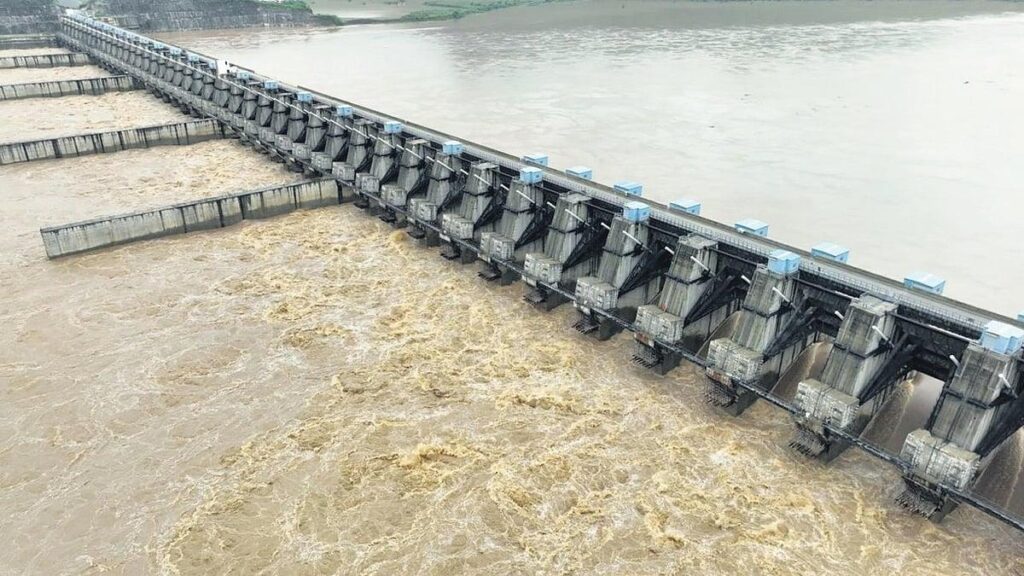
The release of water from the Godavari irrigation system, especially through the Sir Arthur Cotton Barrage at Dowleswaram, has brought a significant wave of relief and optimism to farmers across the East Godavari delta region. This timely water release marks the beginning of a crucial phase for the Kharif agricultural season, which is highly dependent on canal irrigation for paddy cultivation. The Godavari delta, often referred to as one of the most fertile agricultural belts in South India, depends heavily on a well-coordinated irrigation network consisting of major canals, distributaries, and lift systems. With the controlled release of water, canals in regions such as Rajahmundry rural, Kadiyam, Amalapuram, Kakinada rural, and Konaseema belt have begun receiving steady inflows, enabling farmers to restart agricultural operations that were previously delayed due to uncertainty in water availability. This water release plays a vital role in supporting the transplantation of paddy seedlings, nursery preparation, and land preparation activities. Farmers are actively engaging in fieldwork, preparing bunds, leveling land, and ensuring that seedbeds are ready for transplantation. In many villages, agricultural activity has increased noticeably, with labor demand rising for transplantation work, irrigation channel maintenance, and fertilizer application. Officials from the irrigation department highlight that the release is carefully regulated to ensure equitable distribution across eastern, central, and tail-end delta regions, preventing water stress in downstream areas. The integration of reservoirs, barrage systems, and canal regulators ensures that water reaches even remote agricultural fields, supporting both small and marginal farmers. Agricultural experts also emphasize that this timely water supply is crucial for achieving expected paddy yields in the delta region, as delays in irrigation can significantly impact crop cycles and productivity. Stable water availability not only supports rice cultivation but also benefits allied activities such as aquaculture feed crops, coconut plantations, and horticulture fields.

Godavari Water Release Boosts Kharif Season in Delta Region Read More »