East Godavari district, located in the fertile Godavari delta region of Andhra Pradesh, is deeply shaped by the flow, management, and political control of the Godavari River system. The river is not only a natural water source but also a critical backbone for agriculture, drinking water supply, irrigation networks, and rural livelihoods. Because of this, any governance decision related to water allocation, dam construction, canal systems, or inter-state diversion projects immediately becomes a sensitive political and administrative issue.
Over the years, water governance in this region has become increasingly complex due to competing demands between irrigation development, flood control, environmental protection, and inter-state water sharing agreements. The Godavari River flows across multiple states, including Maharashtra, Chhattisgarh, Telangana, and Andhra Pradesh, before finally reaching the Bay of Bengal through the delta districts like East Godavari. This shared nature of the river makes it a subject of constant negotiation and legal scrutiny.
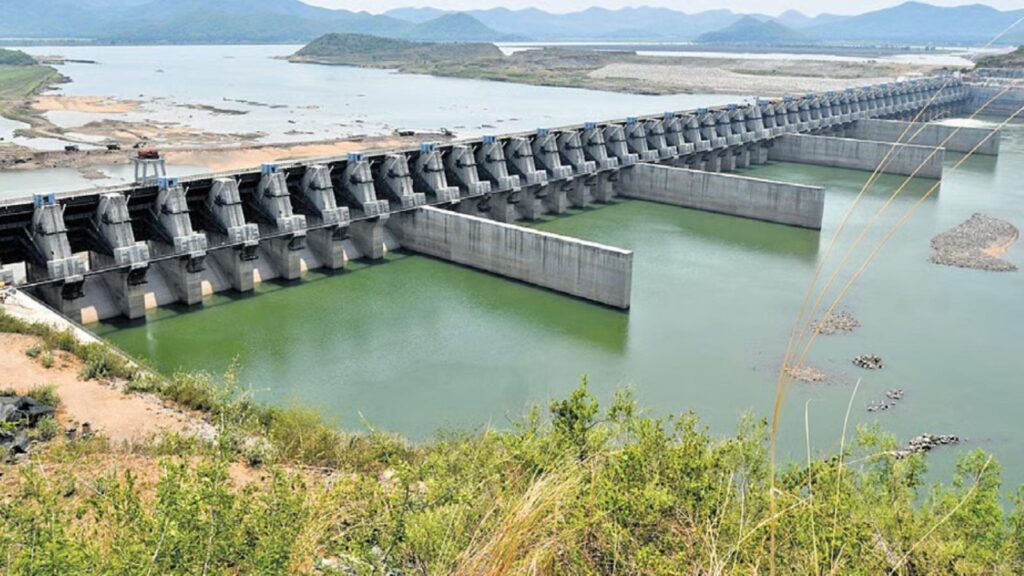
One of the most important governance projects influencing East Godavari is the Polavaram Irrigation Project, which aims to improve irrigation facilities, supply drinking water, and support industrial and agricultural growth across Andhra Pradesh. While the project is considered a lifeline for many drought-prone areas, it has also raised concerns regarding displacement of villages, environmental impact, flood risks, and rehabilitation of affected communities. Additionally, downstream districts like East Godavari closely monitor the project because changes in water storage and release patterns directly influence delta farming systems.
Another major issue is the ongoing debate over the diversion of “surplus” Godavari floodwaters to other basins through interlinking projects such as the proposed Polavaram–Nallamala Sagar linkage. Supporters of these projects argue that a large quantity of floodwater flows unused into the sea every year, and that redirecting it can transform drought-affected regions into fertile agricultural zones. However, critics—including neighboring states and environmental experts—argue that such diversions may violate inter-state water sharing agreements, reduce downstream availability, and disturb ecological balance.
Telangana, in particular, has raised objections to several upstream water diversion plans, stating that they could affect its allocated share of the Godavari waters as per tribunal decisions. These disagreements have escalated into legal battles, with cases being brought before higher judicial authorities, including the Supreme Court of India. The core of the dispute revolves around whether “surplus water” truly exists in quantifiable terms and whether one state can independently plan large-scale diversions without consensus among basin states.
For East Godavari, these disputes are not abstract legal matters—they directly affect the daily lives of farmers and the stability of the agricultural economy. The district relies heavily on canal irrigation systems fed by the Godavari River. Any fluctuation in water release schedules, storage levels, or upstream usage can impact crop cycles, particularly paddy cultivation, which dominates the region. Even slight delays or reductions in water supply can lead to reduced yields, financial stress for farmers, and changes in cropping patterns.